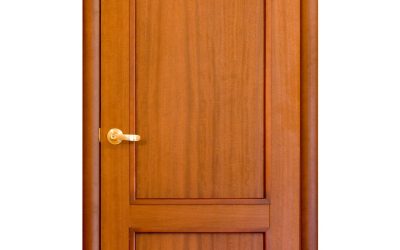
A custom wood front door can balance strong desert landscaping by introducing warmth, structure, and a clear visual focal point without competing with stone, gravel, masonry, or bold plant forms. In Phoenix, AZ, the best results come from coordinating the door’s tone, scale, texture, and detailing with the surrounding landscape and exterior materials.
Desert landscaping often uses strong visual elements such as boulders, decomposed granite, concrete, stucco, cacti, and architectural plants. A front door should feel connected to that environment while still clearly marking the main entrance.
How Should Wood Tone Relate to Desert Landscaping?
Wood tone should complement the dominant colors around the entry.
Phoenix landscapes often include warm neutrals such as tan, sand, rust, brown, gray, and muted green. Medium or deeper wood tones can work well with these colors because they introduce warmth without feeling unrelated to the setting.
Lighter wood can also be effective, especially on homes with darker stone or metal accents.
The goal is not to match the landscaping exactly. Instead, the wood should share enough undertones with the exterior materials to feel coordinated while still giving the front door its own identity.
Should the Door Contrast With Gravel and Stone?
Usually, some contrast is helpful.
A front door that blends too closely with surrounding stone, gravel, or stucco may become visually lost. A slightly darker or warmer wood tone can create enough separation to make the entry easier to identify.
At the same time, very strong contrast can make the door feel disconnected from the home.
For example, a deep brown door against pale stucco and light gravel can create a strong focal point, while a medium wood tone may produce a softer transition.
The right amount of contrast depends on how dominant the landscaping already is.
How Does Landscaping Scale Affect Door Size?
Large landscape elements can make a standard-size door appear smaller than expected.
Tall cacti, mature desert trees, large boulders, raised planters, or broad masonry walls all contribute visual weight around the entry. In these settings, the door may need enough height, width, or surrounding detail to remain proportional.
That does not always mean making the door larger.
Sidelights, a wider frame, stronger panel divisions, or more substantial hardware can increase the visual presence of custom wood entry doors without changing the opening dramatically.
When evaluating a home entry door, it helps to consider the entire approach rather than looking at the door by itself.
How Can Wood Texture Complement Desert Materials?
Wood adds natural texture that can balance harder materials such as stone, concrete, metal, and stucco.
Visible grain can soften an entry surrounded by masonry or gravel. It also introduces variation without adding another highly decorative surface.
If the landscaping already includes strong textures, such as rough stone walls or large boulders, a simpler custom wood front door may work better.
Cleaner paneling and restrained detailing allow the wood grain to contribute character without making the entrance feel visually crowded.
Should Desert-Inspired Homes Use Simple or Detailed Doors?
Both can work, depending on the architecture.
Modern desert homes often benefit from clean lines, broad wood surfaces, minimal paneling, and simple hardware. In these cases, the door can act as a warm counterpoint to stucco, concrete, and metal.
Southwestern or traditional homes may support deeper panels, arches, or more defined wood details.
The landscaping should be part of that decision.
If the exterior already includes textured stone, sculptural plants, and strong masonry features, a quieter door design may create better balance than one with multiple competing details.
How Can Glass Help Balance a Heavy Landscape?
Glass can make a large wood door feel lighter.
Narrow glass panels, sidelights, or a transom can break up the visual mass of wooden front doors and create a stronger connection between the exterior and foyer.
This can be especially useful when the entry is surrounded by heavy stone, tall walls, or dense planting.
The amount of glass should still reflect privacy needs and sun exposure.
A shaded entrance may support more glazing, while an entry with strong western exposure may require more careful placement and glass selection.
How Should Hardware Coordinate With Desert Landscaping?
Hardware can help connect the door to other exterior materials.
Dark bronze or black hardware may relate naturally to metal gates, window frames, exterior lighting, or landscape edging. Warmer metallic finishes can work well with stone, wood, and earth-toned materials.
Scale also matters.
A substantial custom wood front door may need larger pulls or handles so the hardware remains visible from the walkway.
The hardware should support the overall composition without becoming the most dominant feature.
Can the Walkway Influence Front Door Design?
Yes.
The walkway establishes the visual path toward the entrance. A wide stone or concrete path can make the door feel more prominent, while a narrower or curved path may create a slower, more gradual approach.
The front door should be strong enough visually to act as the destination at the end of that path.
Color and material relationships matter here as well.
A wood door that picks up warm tones from pavers, gravel, or surrounding stone can make the transition from landscaping to architecture feel more natural.
How Do Front Doors for Homes Fit Into a Desert Exterior?
Front doors for homes in desert environments should respond to both architecture and landscape.
The entry should not compete with every surrounding element. Instead, it should establish a clear hierarchy.
Landscaping may provide texture and movement, while the door provides structure and focus.
Custom wood entry doors are particularly useful in this context because their proportions, paneling, glass, wood tone, and hardware can be coordinated with the specific home rather than selected as an isolated feature.
How Can Phoenix Homeowners Create a Balanced Entry?
Start by viewing the home from the street and walkway.
Look at the dominant colors, stone, gravel, plants, walls, rooflines, and lighting. Then consider whether the front door needs more contrast, more scale, or less visual detail.
A successful entry should be noticeable without feeling disconnected from the desert setting.
For Phoenix homeowners planning new home entry doors, the strongest approach is usually to coordinate wood tone, texture, scale, glass, and hardware with the surrounding landscape so the entrance feels intentional, balanced, and naturally connected to the property.