Takeaway:
• A failing walk-in cooler can push perishable food into the temperature danger zone within hours, risking spoilage and health code violations.
• Warning signs like frost buildup, warm spots, and long compressor run times signal it is time for professional service, not a wait-and-see approach.
• Fast diagnosis and repair of coils, seals, and controls protects inventory value and keeps a Phoenix food business open and compliant.
A malfunctioning walk-in cooler puts food safety and revenue at risk the moment internal temperatures drift out of the safe zone, which is why prompt repair matters more than most maintenance tasks a commercial kitchen faces. In Phoenix, where outdoor heat pushes condensing units harder for much of the year, a slow leak or worn seal can turn into a full outage faster than in milder climates.
Restaurants, grocery stores, and warehouses that rely on cold storage cannot afford extended downtime. Walk-In Cooler Repair in Phoenix services address the specific failure points that cause temperature swings, from refrigerant issues to door gaskets that no longer seal tight. Catching these problems early is what separates a routine service call from a walk-in full of spoiled product.
Why Walk-In Cooler Failures Escalate Quickly in Phoenix
Commercial refrigeration in the Phoenix metro operates under near-constant thermal stress, especially during the extended summer season. Ambient heat forces condenser coils and compressors to run longer cycles just to hold the same internal temperature they would maintain easily in cooler months.
Once a unit starts losing efficiency, the decline is rarely gradual:
• Dirty or blocked condenser coils force the compressor to work harder until it can no longer keep pace.
• Worn door gaskets let cold air escape every time staff enter, and walk-in doors account for a meaningful share of cooling loss in busy kitchens, according to one restaurant operations guide .
• Faulty defrost systems allow frost to build on evaporator coils, restricting airflow and reducing cooling capacity.
• Failing thermostats or sensors give staff inaccurate readings, masking a real temperature problem until product is already compromised.
Recognizing the Warning Signs Before Product Loss Occurs
Most walk-in failures give off early signals well before a full breakdown. Staff who know what to watch for can request service before losses stack up.
1. Interior temperature readings creeping above the standard range.
2. Visible frost or ice accumulation on evaporator coils or the ceiling.
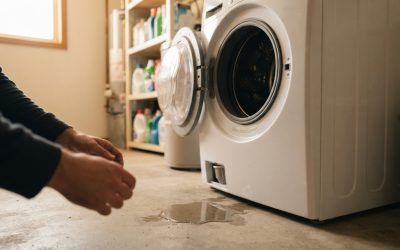
3. Condensation or water pooling on the floor near the unit.
4. Unusual buzzing, clicking, or rattling from the compressor or fan motor.
5. Door seals that no longer hold suction or show visible gaps.
The stakes behind these symptoms are well documented. The FDA Food Code sets the temperature danger zone at roughly 41°F to 135°F, the range where pathogens multiply fastest on time and temperature control for safety foods. Once a walk-in drifts into that zone, the clock starts on both spoilage risk and potential health code violations.
What a Professional Repair Process Typically Involves
A qualified technician does more than swap a part and leave. Effective service is built around diagnosis first, repair second.
| Step | What It Covers | Why It Matters |
| Initial diagnostics | Compressor, coils, refrigerant levels, controls | Identifies root cause instead of guessing at symptoms |
| Coil service | Condenser (outdoor) and evaporator (indoor) units | Restores airflow and cooling efficiency |
| Seal and door inspection | Gaskets, hinges, closure | Stops air leaks that strain the system |
| System verification | Temperature logging after repair | Confirms the unit holds a stable, safe range |
Technicians who service commercial refrigeration across the Phoenix area routinely handle these steps for restaurants, grocery stores, warehouses, and commercial kitchens, since each business type depends on consistent cold storage to stay compliant and profitable.
Reducing Downtime and Protecting Inventory
Response time is often the biggest variable in how much product a business loses during a cooling failure. A unit that gets attention within hours, rather than days, gives inventory a far better chance of staying within safe limits. Businesses that schedule regular coil cleaning and gasket checks also tend to catch small issues before they become emergency calls.
Working with a provider that offers emergency response, not just scheduled maintenance, gives kitchen and warehouse managers a practical safety net. Lux Appliance Care is one such Phoenix-based provider offering commercial walk-in cooler and freezer repair alongside broader appliance service work.
Frequently Asked Questions
How quickly should a failing walk-in cooler be repaired? Ideally within the same day symptoms appear. Once internal temperatures rise past the safe range, every additional hour increases the risk of spoilage and potential health code issues.
Can a walk-in cooler be repaired, or does it need full replacement? Most issues, including coil problems, seal failures, and control malfunctions, can be repaired without replacing the entire system. Full replacement is typically reserved for units with extensive compressor or structural damage.
What temperature should a commercial walk-in cooler maintain? Industry guidance generally places the safe operating range between the mid-30s and low 40s Fahrenheit, staying below the FDA’s cold-holding threshold to keep perishable inventory safe.
Is emergency repair available outside normal business hours? Some Phoenix-based commercial refrigeration providers offer service seven days a week given how quickly food safety risk builds during an outage. Confirm availability directly with the provider before an emergency happens.
A walk-in cooler that runs quietly in the background is easy to overlook until it fails. Paying attention to early warning signs, understanding the diagnostic process, and working with a responsive commercial repair provider gives Phoenix food businesses a practical way to protect inventory, stay compliant, and avoid the far higher cost of a full outage.